Who Is Atticus In The Bible? A Study Beyond Chosen 

The phenomenally popular television series The Chosen has introduced millions of viewers to biblical narratives in fresh and engaging ways. We meet many characters, including a man named Atticus. But is Atticus in the Bible?
Who is Atticus in the Bible

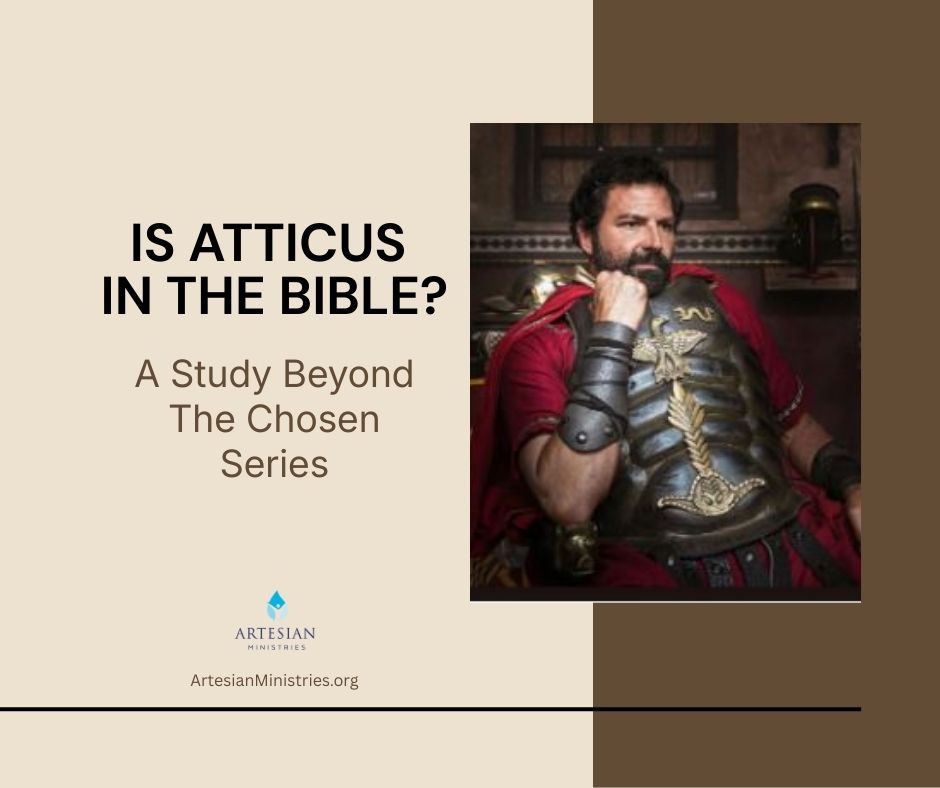
Among the many characters that populate this dramatic retelling of Jesus’s ministry is Atticus Aemilius Pulcher. He is an urban cohort operative in the Roman Empire (not a Roman senator) who appears later in The Chosen season. 

His sophisticated demeanor, complex motivations, and interactions with both Roman and Jewish characters have made him a memorable figure in the series. However, this raises an important question for students of Scripture: Who is Atticus and does he actually appear in the biblical text?

Related: Fallen Angels in the Bible: How Many Were There?

fallen angels in the Bible

The Biblical Answer: Atticus Does Not Appear in Scripture

The straightforward answer is that there is no direct mention of Atticus in the Bible. He is entirely a fictional character created by the writers of The Chosen to serve dramatic and narrative purposes within the series. 

The Chosen often takes creative liberties to fill in gaps in the biblical narrative and create compelling television. Atticus represents a significant role as one of the show’s fictional additions.

Such artistic license does not diminish the value of this character from the Roman people in relation to a storytelling perspective. However, it is crucial for believers and students of Scripture to distinguish between what is explicitly stated in God’s Word and what isn’t.  Artistic interpretation and historical fiction are not biblical history from ancient times. 

Even though the story of Atticus is compelling in the series, the Bible provides no record of any Roman official named Atticus Aemilius Pulcher interacting with Jesus, His disciples, or the early Christian community. 

Understanding The Chosen’s Creative Approach

The Chosen‘s creator, Dallas Jenkins, has been transparent about the show’s methodology. The series aims to remain faithful to the biblical text while creating backstories, dialogue, and situations that are not explicitly recorded in Bible stories. This approach allows the show to explore the human dimensions of biblical figures. Some stories contain historical roots based on Roman culture derived from ancient texts or religious practices.

Atticus serves several functions within this creative framework. He represents the complex relationship between Roman authority and Jewish life in a first-century biblical context. He also provides a window into Roman investigations of what they would have perceived as potentially seditious religious movements during biblical times. 

Additionally, his character allows the show to explore themes of duty, conscience, and the transformative power of encountering truth. As C.S. Lewis demonstrated with in The Lion, The Witch, and The Wardrobe, biblical references and Christian values can be effectively portrayed through modern media.

Related: How Did Queen Esther Die According to the Bible?
What Happened to Queen Esther in the Bible? Her Life, Legacy, and Death

What The Bible Says About Roman Officials

While Atticus himself is a fictional Bible character, the Bible records many interactions between Jesus, His followers, and various Roman officials. Understanding these biblical accounts in a Roman society helps us appreciate both the historical context of early Christianity and the creative choices made in The Chosen

Pontius Pilate

The most prominent figure in the Gospel narratives is a Roman official named Pontius Pilate. He was the prefect of Judea from approximately AD 26 to 36. All four Gospels record his crucial role in Jesus’s trial and crucifixion (Matthew 27:1-26Mark 15:1-15Luke 23:1-25John 18:28-19:16). The biblical Pilate is portrayed as a conflicted figure who recognizes Jesus’s innocence but ultimately capitulates to political pressure. 

The Centurion at Capernaum

Luke 7:1-10 and Matthew 8:5-13 record Jesus’s encounter with a Roman centurion whose faith impressed the Lord. Jesus declared, “I have not found such great faith even in Israel” (Luke 7:9). This unnamed centurion is among the Bible’s notable figures because he demonstrates that Roman officials could possess spiritual sensitivity and humility, contrary to stereotypes.

Cornelius

Acts 10 introduces Cornelius, a centurion (and real person) of the Italian Regiment stationed in Caesarea. He is described as “devout and God-fearing; he gave generously to those in need and prayed to God regularly” (Acts 10:2). His conversion represents a pivotal moment in the early church’s recognition that the Gospel was for Gentiles as well as Jews.

Other Roman Figures

The New Testament mentions other Roman officials including Felix and Festus (Acts 23-26), procurators before whom the Apostle Paul appeared. Also, Julius who was the centurion who showed kindness to Paul during his voyage to Rome (Acts 27:1-3).

Related: Biblical Meaning of INRI on the Cross of Jesus Christ
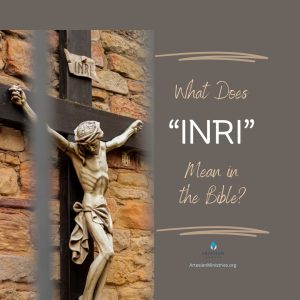
Meaning of INRI

Historical Context: Roman Presence in First-Century Judea

While Atticus himself is fictional, characters like him would have been a reality in first-century Palestine. Understanding the historical usage and context helps us appreciate the plausibility of such figures in the everyday life of human experience in the early Christian era.

Judea was a Roman province. Extra-biblical texts reveal that its status and governance varied during the first century. At the time of Jesus’s ministry, it was under direct Roman rule through prefects like Pontius Pilate. These officials had military forces at their disposal to maintain order and suppress any movements that threatened Roman interests. 

The Romans were sophisticated administrators who maintained extensive intelligence networks throughout their empire. They answered to Roman emperors who would have been keenly interested in any religious or political movement that attracted large crowds or challenged existing power structures. Jesus’s ministry, which drew thousands and included revolutionary-sounding language about a “kingdom,” would certainly have attracted Roman attention.

The Chosen depicts Atticus as belonging to the cohortes urbanae. This role of urban cohorts served as a police force in Rome and occasionally in provinces. While the historical details of their operations in Judea during Jesus’s time are limited, Roman authorities certainly had mechanisms for monitoring potentially subversive activities.

Related: The Valley of Dry Bones: Complete Biblical Meaning

valley of dry bones ezekiel bible

The Value and Limitations of Historical Fiction

The creation of characters like Atticus raises important questions about the role of historical and biblical fiction in Christian education and entertainment. They help us see racial injustice and the persecution of early Christians in vivid dimensions.

Well-crafted fictional characters can help viewers imagine the historical and cultural context of biblical events more vividly. They can illustrate principles found in Scripture even if their specific stories are not recorded there. They also create emotional engagement that can lead viewers to deeper study of the actual biblical text.

The primary danger is conflation—when viewers begin to confuse fictional elements with biblical truth. After watching The Chosen, some viewers might mistakenly believe that Atticus is a biblical character or that events depicted in the show actually occurred as portrayed. This underscores the importance of personal Bible study and biblical literacy about the first century AD.

Principles for Engaging with Biblical Media

As Christians in 2026 navigate an increasingly sophisticated landscape of biblical entertainment and education, several principles can guide our engagement:

No matter how well-produced or emotionally compelling a biblical drama may be, Scripture alone is inspired, inerrant, and authoritative (2 Timothy 3:16-17). Entertainment and educational media should drive us toward God’s Word, not replace biblical teachings.

We can appreciate the artistic skill and good intentions behind projects like The Chosen while maintaining discernment about what is biblical and what is speculative or fictional. This requires neither wholesale rejection nor uncritical acceptance. They provide helpful insights into Ancient Greek cultureRoman history, and what it meant to live under Roman citizenship.

Biblical fiction can spark interest and raise questions that lead to genuine biblical study. When a character like Atticus raises questions about Roman involvement in Jesus’s ministry, this can motivate viewers to research what the Bible actually says about Roman officials and first-century political contexts.

Related: Joshua Tree Reference in the Bible: What Does It Mean?
Joshua Tree Biblical Meaning

Separating Fact from Fiction

Atticus Aemilius Pulcher is not mentioned in the New or Old Testament. He is a fictional character created for The Chosen series to explore themes and historical contexts related to the biblical narrative. While the Bible does record interactions between Jesus, His followers, and various Roman officials, Atticus himself represents creative license rather than scriptural or historical record.

This distinction matters. As believers, our faith is built on the solid foundation of God’s revealed Word, not on dramatic interpretations, however skillfully crafted. The Chosen can serve as a valuable tool for engagement and exploration, but it cannot be a substitute for direct engagement with Scripture.

When we hear media or literary references to alleged historical figures, searching Scripture is the plumb line for discerning biblical stories and ancient cultures. That being said, Christian teachings through all forms of art can powerfully convey moral values that leave an indelible mark.

Bottom Line

The story of Jesus Christ, His life, death, and resurrection, as recorded in the inspired Gospels, remains the greatest story ever told. No fictional character, however compelling, can add to its power or authority. 

As we enjoy modern retellings of biblical narratives, we must continually return to the source, studying God’s Word with diligence and allowing the Holy Spirit to illuminate its eternal truths for our lives today.

Related Posts:

About the Author

Donna is an award-winning author, sought-after speaker, and Bible teacher. Her path from unchurched to becoming passionate about sharing Jesus was difficult. Read about her God-breathed journey: “From Unchurched to Becoming a Multi-Published Author and Sought-After Speaker.” If you want to send Donna a quick message, visit her here.

donna snow

{Some of these links are affiliate links. If you purchase through that link, the ministry may receive a small commission at no extra cost to you.}

Best Bible Verses and Inspirational Quotes for Bio

Whether you aim to inspire or connect with like-minded individuals, Bible verses and inspirational quotes can share Christ Jesus through your bio. Understanding the desires of your heart and having a clear objective will guide your selections. 

1. Determine Your Purpose  

Understanding the core purpose of your bio is essential before diving into choosing inspirational Bible verses. 

Why do you want to include scripture? You can let God’s light shine, share the Word of God, and show the love of God.  Make sure that your Bible quotes align with your personal story and Source of inspiration. 

Your own understanding of our God of hope and His greater love will help amplify your message rather than overshadow it. When you know your purpose and pray, the power of the Holy Spirit will bring perfect and powerful Bible verses to mind.  

  • Identify Your Goals: Clarifying whether you want to inspire, uplift, or simply share your faith lays the groundwork for selecting impactful scriptures. Knowing your goals is a great way to avoid confusion and repetition. Your bio is not the place for cute Bible verses.
  • Consider the Medium: Depending on whether this bio will be used for social media, blogs, or professional platforms, the tone may vary. Matching the tone to the medium ensures that your message resonates appropriately with the intended audience. 
  • Acknowledge Personal Influence: Reflecting on how your faith journey and God’s love shape your goals can lead to more authentic choices. Personal experiences often bring depth and sincerity to the verses you select. Let the glory of God shine through your difficult situation.
  • Visualize Your Audience: Picture who will read your bio and what good things they might seek from it. If they’re looking for encouragement, you’ll want to focus on uplifting scripture that speaks to challenges and hope.
  • Revisit and Refine: Goals can evolve, so periodically reassessing your purpose keeps your bio fresh and relevant. Updating your vision allows your bio to grow along with you.

Establishing the purpose of your bio sets a solid foundation for the journey ahead. It not only gives your choices direction but also adds authenticity to the verses you will eventually incorporate.  

Related: Top 50 Encouraging Psalms in the Bible for Every Day

Encouraging Psalms

2. Keep It Short and Sweet  

When selecting Bible verses for your bio, brevity is key. A concise verse captures attention without overwhelming the reader, making it easier for them to connect. A well-placed line can leave a lasting impression. A simple Bible verse invites others to learn more about your journey. 

Aim to condense the essence of the scripture reference into readily digestible pieces, fostering clarity and a stronger impact. Remember, less is often more. Simple Bible verses resonate with a larger audience. Short Bible verses are best for social media platforms like an Instagram profile page or Instagram captions.

  • Select Verses Under 140 Characters: Look for short, poignant scriptures that encapsulate your faith. This length is perfect for platforms like X, ensuring your message remains clear. Your online presence is important.
  • Simplify Longer Verses: If a longer verse catches your eye, consider paraphrasing it to convey the core message. The goal is to maintain the essence of your Christian life while making it accessible.
  • Utilize Phrases or Quotes: Sometimes, a single impactful phrase from a verse speaks volumes. Isolate these key phrases to quickly resonate with readers.
  • Focus on One Thought: Choose a verse that captures a singular thought or theme. This makes it easier for readers to remember and reflect on.
  • Test Readability: After drafting, read your bio aloud. If it feels cumbersome or lengthy, revisit your selections. Ease of reading can significantly enhance engagement.

Keeping your Bible verses short and sweet encourages deeper connections with readers. A concise bio acts as an invitation for others, prompting them to engage further.  

Related: 100 Promises of God in the Bible to Strengthen Faith

Promises of God

3. Reflect Personal Biblical Values  

Your bio is a reflection of who you are, so selecting verses that embody your values is crucial. This connection helps convey your authenticity and integrity to those who may read it. 

Each verse should resonate with your lived experiences and highlight what truly matters to you. This not only adds depth but also invites others to find common ground with you. Remember, authenticity fosters stronger relationships and understanding.  

  • Choose Relatable Themes: Look for verses that express fundamental values like love, honesty, or humility. These themes of great faith are universally cherished and will resonate with a wide audience.
  • Incorporate Personal Stories: Share brief anecdotes that connect a chosen verse to a life lesson learned. Personal stories make the scripture alive and relatable.
  • Highlight Growth and Change: Opt for verses that showcase your personal development or transformative moments. Showcasing your journey fosters authenticity.
  • Seek Out Favorite Passages: Personal favorites often align closely with your values and beliefs. These choices frequently carry significant meaning for you, translating into your authentic voice.
  • Be Honest: If certain struggles or victories deeply shape your faith, let those moments inspire your selections. Their honesty will resonate with those facing similar experiences.

Reflecting your personal values in your bio creates a captivating resonance with readers. Those commonalities can spark deeper discussions and connections, which is what sharing scripture is all about.

Related: The Best Bible Verses About the Power of a Woman

Best Bible Verses Power of a Woman

4. Use Verses That Resonate  

Finding Bible verses that resonate with you is akin to selecting a favorite song that lifts your spirits. These verses must align with your emotions and beliefs, as they form the heart of your bio.

When you choose scriptures that speak to your soul, you not only present an authentic image but also invite others to join you on your journey of faith. Embrace verses that evoke genuine feelings, as this emotional connection can be a powerful draw.  

  • Explore Themes of Hope: Verses that focus on hope can uplift not just your spirit but also those reading your bio. This message can provide comfort in uncertain times.
  • Focus on Love and Compassion: Chosen scriptures that highlight love and compassion resonate across all walks of life. These universally understood themes create instant connections.
  • Seek Verses of Strength: Those that portray resilience or strength in adversity can serve as motivational reminders, offering encouragement to both you and your audience.
  • Utilize Popular Quotes: Verses that are widely recognized often carry significant weight and familiarity, allowing readers to connect with your message almost instinctively.
  • Experiment with Personal Meaning: Engage with verses that have shaped your beliefs or life experiences. They carry a unique weight because of their role in your development.

Choosing verses that resonate with your personal feelings enhances the authenticity and relatability of your bio. This connection can bridge gaps and create meaningful interactions with readers.

Related: Powerful Bible Verses to Start Your Day with God 

Bible Verses to Start Your Day with God

5. Consider Your Audience  

Tailoring your chosen Bible verses for the audience you wish to engage with is critical. Each platform may host varied demographics and preferences, so adapting your tone and message accordingly can foster better connections.

Think about who you want to reach—friends, colleagues, or a spiritual community—and modify your choices to suit those expectations. Understanding your audience allows you to convey your message in a way that resonates deeply.  

  • Research Audience Preferences: Take note of what type of content your audience typically engages with. Tailoring your verses to fit these interests encourages further interaction.
  • Use Appropriate Language: Adjusting your language style can help make scripture more relatable. Opt for familiar expressions or modern translations that your audience understands.
  • Integrate Audience Stories: If your audience has shared experiences or values, tying these into your selected verses can resonate deeply. This makes them feel connected to your message.
  • Gauge Emotional Tone: Depending on your audience, you might focus on encouragement, comfort, or a more inspirational tone. Adjustments here influence reader reactions effectively.
  • Solicit Feedback: Peer feedback on potential verse choices can yield helpful insights into what could resonate best. Listening to audience opinions often highlights common themes.

Considering your audience when selecting Bible verses ensures that your bio reaches the right hearts and minds. This connection only strengthens over time when carefully curated to suit their preferences.

Related: Inspiring Bible Verses to Encourage New Christians  

Inspiring Bible Verses

Highlight Inspirational Themes  

Choosing Bible verses with inspirational themes can be like sprinkling a touch of magic into your bio. Focusing on uplifting messages can motivate not just yourself but also those who read it.

Seek out verses that emphasize perseverance, joy, faith, or love, as they often inspire action and reflection. These themes are not just timely but eternal. They provide encouragement and hope in any circumstance. A well-chosen inspirational Bible verse can serve as a beacon for others navigating challenging times.  

  • Incorporate Verses on Faith: Scriptures that speak about faith can ground your message, serving as a comforting reminder of trust and belief during difficult times.
  • Celebrate Joy and Gratitude: Highlighting joy through scripture brings a sense of positivity that can be contagious, often encouraging readers to foster gratitude for everyday blessings.
  • Focus on Overcoming Adversity: Inspirational verses about overcoming struggles can empower readers facing their own challenges, making these passages particularly impactful.
  • Emphasize Community and Togetherness: Verses that reflect on love and community inspire a sense of belonging, encouraging readers to connect with others in their faith journey.
  • Use Examples of Hope: Documenting experiences of hope found in scripture can provide a guiding light for others seeking reassurance and direction.

Highlighting these inspirational themes allows your bio to serve as a source of encouragement. This uplifting aspect can attract positive engagement, resonating with readers who are searching for something motivational.  

Related: Most Powerful Thursday Morning Prayers and Blessings

thursday prayers and blessings

Make It Unique  

Infusing uniqueness into your bio can significantly enhance its appeal and memorability. Opt for verses that reflect your distinctive personality and views, setting you apart from others. This individuality can shine through when you combine your interpretation of the scripture with personal anecdotes or insights.

Making your bio uniquely yours establishes a genuine connection, fostering a space where others feel invited to discover your story.  

  • Share Personal Interpretations: Don’t shy away from expressing how a particular verse personally resonates with you. Unique insights can invite deeper reflection and discussion.
  • Mixed Media: Consider integrating visuals or a creative format alongside your chosen verses to elevate their strength. This multidimensional approach adds flair to your bio.
  • Relate Personal Experiences: Think about how your life experiences relate to the scripture you’re showcasing. Unique anecdotes will create a richer narrative that draws in readers.
  • Develop a Signature Style: Choose a consistent way of presenting your verses in a format that aligns with your personality. Whether it’s formal or playful, consistency builds recognition.
  • Be Openly Vulnerable: Unique moments often arise from real-life struggles or trials. Touching on these in a genuine way can create impactful authenticity.

By making your bio unique, you invite curiosity and connection from readers. It creates an opportunity for others to engage with your story on a deeper level.

Related: How Many Times is Joy Mentioned in the Bible? 

joy in the bible

Incorporate a Call to Action  

While sharing scripture in your bio, a call to action can inspire engagement and connection. This invitation encourages readers to explore more about your journey, beliefs, or projects.

Whether prompting them to visit your website, join a community, or reflect on their own experiences, integrating a call to action strengthens the engagement factor of your bio. Inviting readers into your narrative can enhance your relationship with them.  

  • Encourage Interaction: Phrases like “Feel free to reach out” or “Join my journey” invite your audience to connect, fostering a sense of community.
  • Link to Resources: If you have a website or blog, including a link can guide readers who seek deeper insights into your experiences or beliefs.
  • Promote Reflection: Use a thought-provoking question related to the verse to invite deeper consideration and dialogue among readers.
  • Urge Participation: Encourage your audience to engage in charity or community initiatives that align with the scripture you are sharing.
  • Host Discussions: Suggest creating a space for others to discuss the verse and their interpretations, fostering a nurturing environment for growth.

Incorporating a call to action transforms your bio from a static summary into an interactive experience. This engagement not only enriches your connections but also reinforces the message you want to share.  

Related: Characteristics and Faith of Abraham in the Bible

Characteristics and Faith of Abraham in the Bible

Blend Passion with Personality  

Your bio can be an exciting palette where passion dances with personality. This blend brings to life the scriptures you choose and showcases your warmth and enthusiasm to potential readers.

Opting for Bible verses that not only matter to you but also perfectly mirror your character can elicit genuine engagement. Your unique passion shines through and invites others to share in your journey of faith.  

  • Express Affection for Scripture: Share your enthusiasm about how specific verses resonate with your everyday experiences. This genuine passion can be contagious, inviting connection.
  • Use Playful Language: Don’t hesitate to infuse humor or playful expressions when relating scriptures to your life. This lightness can make your bio more relatable and memorable.
  • Describe Your Style: Reflect your personality in the tone you use, whether it be warm, serious, or cheeky. The right tone cultivates an inviting reading experience.
  • Share Goals: Outline how your passion leads you to pursue life goals or service opportunities inspired by scripture. It adds depth to your narrative.
  • Highlight Hobbies or Interests: Use verses that intertwine with your hobbies or interests. This can lead to exciting discussions with like-minded readers.

Blending passion with personality makes your bio an authentic representation of who you are. This connection not only engenders warmth but also encourages a rich relationship with those you engage.

Related: Best Pens and Supplies for Ultimate Bible Journaling 

bible journaling

Test and Revise Your Choices  

Just as a work of art evolves, so should your Bible verses and bio. Testing and revising your selections allows for growth, ensuring your bio remains relevant and impactful.

Share your choices with friends for feedback or observe how they resonate with your audience over time. Being open to change not only reflects your personal journey but also shows how your spiritual reflections are ever-evolving.  

  • Gather Feedback: Reach out to friends or family to see how they connect with your bio’s message. Their insights can illuminate areas of strength or opportunity for improvement.
  • Track Engagement: Watch for responses from your audience. Higher engagement metrics can signal that your selected verses resonate effectively.
  • Revise Regularly: Schedule periodic reviews of your bio to ensure it aligns with personal growth or shifting life circumstances, keeping your message fresh.
  • Experiment with New Verses: Rotate different Bible verses in and out based on current experiences or seasons in life. This keeps your content dynamic and engaging.
  • Seek Inspiration: Stay tuned into sermons, readings, or community discussions for new verses that may speak to your current journey, enriching your bio further.

Testing and revising your choices fosters a living document that grows with you. This evolution adds richness and freshness to your bio, making it more relatable and engaging for readers.  

Related: Powerful Wednesday Morning Prayers and Blessings

powerful Wednesday prayers and blessings

6. List of Bible Verses

Here are some of the most well-loved, meaningful verses from God’s Word. They serve as a starting place of good Bible verses until the grace of the Lord Jesus Christ leads you to your very own amazing Bible verses. 

Short Favorite Bible Verses

Bible Verses of Hope and Strength

  • For God so loved the world that he gave his one and only Son, that whoever believes in him shall not perish but have eternal life. (John 3:16, NIV)
  • May the God of hope fill you with all joy and peace as you trust in him, so that you may overflow with hope by the power of the Holy Spirit. (Romans 15:13, NIV)
  • Trust in the Lord with all your heart, and do not lean on your own understanding. In all your ways acknowledge him, and he will make straight your paths. (Proverbs 3:5-6, NLT)
  • Fear not, for I am with you; be not dismayed, for I am your God; I will strengthen you, I will help you, I will uphold you with my righteous right hand. (Isaiah 41:10, ESV)

Short Bible Verses for Wisdom and Trust

  • Commit your work to the Lord, and your plans will be established. (Proverbs 16:3, ESV)
  • Delight yourself in the Lord, and he will give you the desires of your heart. (Psalm 37:4, ESV
  • When I am afraid, I put my trust in you. (Psalm 56:3, ESV)
  • Do not be conformed to this world, but be transformed by the renewal of your mind. (Romans 12:2, ESV)

Related: What Does the Bible Teach About a Pure Heart?

pure heart

Bible Verses for Peace and a Sound Mind

  • For God has not given us a spirit of fear, but of power and of love and of a sound mind. (2 Timothy 1:7, NKJV)
  • The peace of God, which surpasses all understanding, will guard your hearts and minds through Christ Jesus. (Philippians 4:7, NKJV)
  • For it is by grace you have been saved, through faith—and this is not from yourselves, it is the gift of God. (Ephesians 2:8, NIV)
  • I am the good shepherd. The good shepherd lays down his life for the sheep. (John 10:11, NIV)

​Bible Verses for Encouragement

  • And let us consider how we may spur one another on toward love and good deeds. (Hebrews 10:24, NIV)
  • Therefore, if anyone is in Christ, the new creation has come: The old has gone, the new is here! (2 Corinthians 5:17, NIV)
  • I am the light of the world. Whoever follows me will never walk in darkness, but will have the light of life. (John 8:12, NIV)
  • The name of the Lord is a strong tower; the righteous man runs into it and is safe. (Proverbs 18:10, ESV)

Sharing your bio invites a larger community into your faith journey and life story. It opens up pathways for connection that can enrich both your life and the lives of others. May God richly bless others through you.

About the Author

Donna is a sought-after speaker, multi-published author, and Bible teacher. Her path from unchurched to becoming passionate about sharing Jesus was difficult. Read about her God-breathed journey: “From Unchurched to Becoming a Multi-Published Author and Sought-After Speaker.” If you want to send Donna a quick message, visit her here.

donna snow

{Some of these links are affiliate links. If you purchase through that link, the ministry may receive a small commission at no extra cost to you.}


11 Best Tips: How Long it Takes to Publish a Book

One of the questions that I am asked on a regular basis is how long it takes to write and publish a book. Yes, there are many variables, but there are certainly some solid points to consider if you are a first-time author.

Here’s what we will cover regarding writing a book:

  1. The average time it takes to write a book
  2. Setting and working within a deadline
  3. Lining up your support system
  4. The truth about research
  5. How to prioritize your time
  6. Setting word count goals…and sticking to them
  7. Set small challenges to write consistently
  8. Invest in a professional editor
  9. Unique insights for Traditional Publishing
  10. Unique insights for Self-Publishing
  11. Prayer is the game changer

When you embrace the right mindset, set up a reliable system, and keep leaning into God for the motivation to write, you will be a published author before you know it. So, let’s dig into the best tips that I have learned after publishing twelve books to date (both traditional and self-published).

1.    The Average Time it Takes to Write a Book

Whether fiction or nonfiction, a new author, on average, can take anywhere from six months to two years to draft and edit their debut book. That may seem like so much time, but take heart!

Your first book takes longer simply because it is probably the first time you have undertaken a serious, long-term writing goal. You likely have not discovered your writing rhythm or how many words you can sensibly commit to writing each day. A typical timeline for the first draft of your next book is usually less – somewhere between four to eight months.

2.    Setting and Working Within a Deadline

The first thing you have to decide is what you are going to write. Fiction or nonfiction? Novella or novel? Devotion or Bible study? A magazine article or a full-blown manuscript?

A novella is a shorter work of fiction with a word count between 17,500 and 40,000 words. (Traditional publishers focus on word count, not page count.) Standard fiction (sci-fi, fantasy, romance, mystery, young adult) is between 75,000 and 120,000 words. A stand-alone devotion has a word count between 2,000 and 5,000, and a full-length Bible study is usually between 50,000 and 65,000 words.

If you land a publishing contract with a traditional publishing house, they will set your manuscript deadline anywhere between four to six months from the date of signing, along with the word count they expect.

Keeping your writing on track is crucial in order to meet their deadline and expectations. Since their contracts tend to be a bit complicated, you may consider securing a literary agent. I had one of the best for the first ten years of my writing career.

3.    Lining Up Your Support System

The next step is your support system, which can take various shapes and forms. First and foremost, it includes the people closest to you: family and close friends. This is where communication becomes crucial. Let them know what you need!

You may need to get away for a weekend or an entire week to make serious headway (or to finish) your manuscript. Ask family and friends to watch your children, home, pets, and anything else so that your mind releases worry about the home front and you can focus on your manuscript.

If your house contains a spouse and children, you may need undistracted time for writing during a specific portion of each day. Communicate that with your family so that they do not believe you are simply avoiding them. That may sound silly, but it happens.

The overarching blessing is that those closest to you feel as if they were a helpful part of the process rather than a hindrance.

4.    The Truth About Research

Please hear this clearly: you need to have all of your research done before you begin serious work on your manuscript. As a Bible study writer, I need to ensure that I have done all of the relevant Greek and Hebrew word searches, read all the commentaries, researched dissertations and historical papers, and diligently gathered applicable cultural research.

If you try to write while you are researching, inevitably you will run across a tidbit of information that may change the entire trajectory of what you are writing. Doing all of your research ahead of time and knowing the direction your manuscript needs to go saves hours and days of the editing process later.

If you are writing a novel, make sure you have researched your location settings, historical timelines, and cultural idiosyncrasies to ensure that your novel’s genre and characters fit into the proper era. It would be odd for a John Wayne reference to find its way into an eighteenth-century crime novel.

5.    How to Prioritize Your Time

When you are down to the wire on finishing your manuscript, become a social hermit. That includes outings, impromptu coffee meetings, and especially social media. Sign off of social media during the home stretch. Nothing sucks time out of your day faster than social media and YouTube.

I give my loved ones and social media outlets plenty of notice when I will be socially missing in action. This avoids hurt feelings or numerous questions about why you fell off the radar.

Also, and perhaps the most important (other than your focused time away), the advanced warning includes people in your writing process. By supporting your need for radio silence, they feel a sense of accomplishment right along with you when the manuscript is finished.

6.    Setting Word Count Goals

When you have a solid deadline and have decided how many words your project requires (see item 2, above), it is time to set concrete word count goals. For instance:

  • 30,000-50,000 words: 500 words a day = 60-100 days
  • 50,000-80,000 words: 500 words a day = 100-160 days
  • 80,000-100,000 words: 500 words a day = 160-200 days

Approximately 350 words fit on a standard double-spaced typed page. My process is very simple. I pull out my calendar, mark the deadline date, and start counting backward. I determine which days can be devoted to writing around my current commitments, and a projected number of words I can do each day based on time availability.

Since I travel regularly for events in my ministry, I have learned that travel days are not conducive to quality writing. Even though downtime while waiting for flight connections may seem ideal, I do not concentrate well in such a distracting environment. Consequently, I need to add more words to other days to make up time. Finding what works best for you is key.

Pacemaker has a great online word count planner that I have found incredibly helpful. I have also used physical journals and word count tools equally well.

7.    Set Small Challenges to Write Consistently

The average person just starting to write usually has a full-time job, is a student, may have a family, serve as a caregiver, or has various other active commitments. Realistically, you may not have daily time to devote to your manuscript’s word count.

In that case, the solution is to set small challenges in order to write consistently. Let’s break it down practically by writing goal, available time, and how long it would take to complete your manuscript:

  • 30,000-50,000 words: 500 words, 3 days a week = 4-7 months
  • 50,000-80,000 words: 500 words, 3 days a week = 7-11 months
  • 80,000-100,000 words: 500 words, 3 days a week = 11 months-1 year +

You may want to move at a faster pace, but remember your quality of life is important. Also, the quality of writing is important. If it takes longer, God’s timing is perfect.

8.    Invest in a Professional Editor

Without exception, every contracted manuscript that I turn in to my publisher has been expertly reviewed by a professional editor. Some writer friends do not follow this practice, which is absolutely their prerogative.

Publishing is a very competitive business. There are many people who desire to become published authors. Consequently, it is incumbent on you to ensure that your manuscripts are the cleanest, best versions that they can possibly be. The less time and manpower the publisher needs to expend to edit and clean up a manuscript, the more readily they will turn to that author for future work.

Depending on how in-depth you ask the professional editor to tackle your manuscript, the average cost ranges from $2-$5 per page. My Bible study manuscripts are usually between two hundred and two hundred and twenty five pages. Yes, it is an investment, but one that will increase your chances of future publishing contracts with that publisher.

9.    Unique Insights for Traditional Publishing

When it comes to the actual publishing process, traditional publishers are the experts. Once you turn over the final manuscript, it is disseminated in-house in many directions: doctrinal review (if nonfiction/Bible study), editors, interior graphics designers, a cover designer, marketing, arranging printers, and holding a book launch.

I usually have one, if not more, online meetings with the marketing and/or graphics teams to discuss my inspiration for the book, design ideas, endorsement possibilities, and companion merchandise, such as t-shirts, notepads, and bookmarks. That is the fun part!

The traditional publishing route is definitely longer, but the quality is superb. From book proposal, signing the book deal, and finally release date, it usually takes anywhere from one year to eighteen months for the print book to hit the shelves.

10.   Unique Insights for Self-Publishing

Self-published authors have much more control over every aspect of self-publishing a book. However, that also means the burden falls on you to do all of the jobs of a traditional publisher – and do them well. This also includes securing beta readers, cover designers, choosing a book cover, the book description, book sales, learning Amazon KDP (Kindle Direct Publishing), securing rights with the U.S. Copyright Office, and the list goes on.

You may choose (and I would highly recommend) to hire out various aspects of the publishing process. Invest in a professional editor as we talked about above, a graphic artist to lay out the book for both print and digital formats, connect with marketers to endorse and promote your book, and the list goes on.

Quality often suffers and stress levels escalate with a self-published book, although many avenues for self-publishing have improved over the past few years.

11.   Prayer is the Game Changer

A pastor that I admire once said, “Prayer is not the pre-game; it is the game.” For Christian authors, our inspiration, strength, and everything in between come from God. Inviting Him into the process from the very beginning is the best way to make all the difference.

Praying as you walk through the research, writing, and editing stages ensures that He provides you with everything you need to produce your best work.

Prioritize Your Tasks

Now that you know the tasks, prioritizing them at each stage of writing is the key to actually finishing your book. Consider these specific items:

  • List out all of the details for your book and turn them into tasks. For instance, setting a research timeline, drafting the outline, setting word count goals, etc.
  • Then prioritize that list by putting at the top those tasks that carry the biggest value to completing your book.
  • Be realistic about the length of time it will take to complete each task.
  • Be flexible in your writing schedule because, well, life happens.

Include Rewards at Each Stage

Once you set realistic deadlines based on honest expectations and have your task list set, be sure to reward yourself for achieving each stage of the process. Yes, writing can be tedious, but rewards inspire and keep us going on those days when the words struggle to form.

Bottom Line

The pandemic caused many of us to reassess how we spend our time. Regarding dreams and career paths, perhaps you asked, “What am I waiting for?”

If becoming a published author has been your dream, there has never been a better time than now to make it a reality. Technology and social media have made it more realistic than at any other point in history.

By following these simple, yet important, steps and guidelines, you will be a published author in no time.

Happy writing!

Related Posts:

About the Author
Although Donna is a sought-after Bible teacher, her path from being unchurched to become passionate about sharing Jesus was not easy. Go here to read her God-breathed journey, “From Unchurched to Becoming a Multi-Published Author and Sought-After Speaker.” If you want to send Donna a quick message, then visit her contact page here.

{Some of these links are affiliate links. This means if you make a purchase through that link, the ministry may receive a small commission at no extra cost to you. Thank you for your ministry support!}

Happy 150th Birthday Concordia Publishing House! {celebrating with brags and giveaway swag }

Before telephones rang or light bulbs glowed. Before fountain pens, cars, or laser printers had been invented. A full century before the internet even existed, Concordia Publishing House was already producing materials that pointed people to Jesus.

In 1869, CPH began its journey to print Gospel-centered resources for a young Lutheran synod. Everything was printed in German and employees drank beer as they worked. Many things have changed!

As time and technology progressed, printed resources delivered by horse-drawn buggies expanded to electronic resources immediately accessible through downloads and apps.

By the grace of God, CPH is going strong 150 years later because it listens to readers, keeps track of current trends, and implements the latest technology to provide award-winning Christian products.

It has been an unbelievable privilege to write and publish five books through CPH to date. There is a beautiful camaraderie among CPH’s authors because we share the same goal: to honor God with the written word. We routinely learn from and encourage each other.

Women are avid readers and love Bible studies, so CPH has eagerly welcomed female authors to lend our unique, God-given voices and experiences to engage readers with the Bible. Shout out to these extraordinarily talented female CPH authors: Deb Burma, Sharla Fritz, Heidi Goehmann, Elizabeth Ahlman, Christina Hergenrader, Katie Schuermann, Kim Marxhausen, Gail Pawlitz, Lisa Clark, Heather Kaufman, Sarah Baughman, and Ruth Meyer, just to name a few.

Now, some people may ask, “Aren’t all publishers the same?” NO.

CPH truly feels like family. Their perspective is eternal. It’s never simply business as usual. Many people at CPH have become cherished friends over the years. We don’t just talk about manuscripts, marketing, and launch dates. We ask about each other, pray for each other and face life’s roller coaster ride together.

When I turn in a manuscript, I know that learned scholars and talented professionals use all of their God-given gifts to produce a doctrinally sound, Christ-focused, engaging Bible study that guides readers toward the very heart of God.

Not every publisher does that.

And not every publisher reaches 150 years young. (This is most certainly true.)

So this is a celebration! And what’s a party without presents? (I’ll let you bring your own beverage and scrumptious cake. Can somebody pass the Riesling, please?)

True to its generous heart, CPH sent me an incredible goody package to offer to one lucky subscriber! [So if you aren’t subscribed to my blog, please do so now.] Here are the giveaway contents:

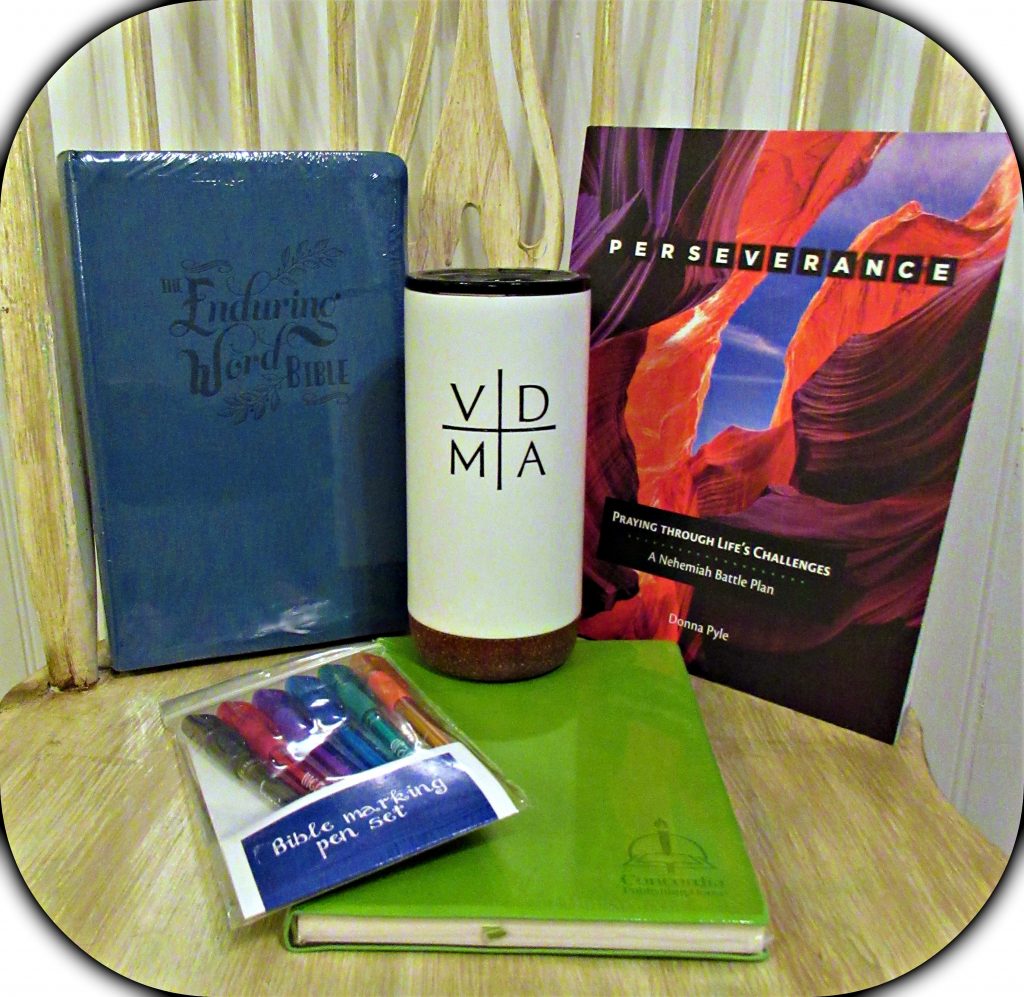
A brand new Enduring Word Bible, CPH journal, a Bible marking pen set, and insulated beverage container. And I am adding a copy of my brand new CPH Bible study: “Perseverance: Praying Through Life’s Challenges–A Nehemiah Battle Plan.” {The videos for that study are available online only, or I would include that, too!}

But a birthday wouldn’t really be a grand celebration with just one gift, would it? So I’m giving away one copy of “Perseverance” to THREE additional subscribers, as well!

To Enter:
1) Subscribe to this blog (you can always unsubscribe later).
2) Follow CPH and me on Twitter, Facebook, and/or Instagram.
3) Share this blog post giveaway on your social media channels and tag me (so I know to put your name in the hat). EASY!

I will draw names from all eligible entrants and post the winners on next Friday’s blog post. You have until Thursday, September 5, at 5:00 p.m. CDT to enter.

CPH’s journey brings this Scripture to mind: “Therefore, since we are surrounded by so great a cloud of witnesses, let us also lay aside every weight, and sin which clings so closely, and let us run with endurance the race that is set before us, looking to Jesus, the founder and perfecter of our faith.” Hebrews 12:1-2

Thank you for faithfully running the race with holy integrity and endurance for 150 years and counting. Happy Birthday, Concordia Publishing House!