
Starting on a faith-based journey to understand forgiveness and repentance in the Bible might feel a bit overwhelming at first. Gathering the right tools can help you explore these deep biblical concepts meaningfully and confidently.
With dedication, heartfelt study, and moving forward in the name of Jesus Christ, you’ll find these virtues enriching both your spirit and daily walk.
Table of Contents
The Biblical Meaning of Forgiveness
The Biblical Concept of Repentance
How Forgiveness and Repentance Relate to Each Other
Apply Forgiveness and Repentance in Your Daily Life
Scripture to Guide Your Forgiveness Journey
Helpful Tools on Your Forgiveness Journey
The Biblical Meaning of Forgiveness
Beginning with a clear grasp of forgiveness as the Bible teaches helps you unlock its profound spiritual and relational power. Forgiveness in Scripture goes beyond just saying “I’m sorry” or forgetting a wrong. It’s a heartfelt removal through the power of the Holy Spirit of anger and bitterness from your life. Diving into biblical passages reveals how forgiveness is a divine gift and a key to freedom.
The Bible uses words like “aphesis” (Greek) and “selichah” (Hebrew), which convey forgiveness as a complete release or pardon of wicked ways, not merely tolerance. Studying these original terms uncovers the depth and intent of forgiveness as restorative and merciful by nature. This linguistic insight grounds your understanding in the text’s authentic meaning.
Scripture repeatedly shows that God initiates forgiveness, despite human failures. These riches of His goodness demonstrate His love and mercy through our Lord Jesus Christ (Ephesians 4:32). Recognizing our Heavenly Father’s grace toward us illustrates that forgiveness is a divine standard we are to embrace and model.
The presence of the Lord invites humility and gratitude into the forgiveness process. Both old things and new things can be wholly released to the Lord.
Related: Forgiveness: Received From God; Extended to Others (full length bible study)

Study Key Biblical Examples of Forgiveness
Passages such as Joseph forgiving his brothers (Genesis 50:17-21) and Jesus’ forgiveness on the cross (Luke 23:34) depict the transformative power of forgiveness on both the forgiver and the forgiven.
God’s love shines bright through those stories. They offer relatable narratives that highlight forgiveness’s role in healing and reconciliation. They encourage you to see forgiveness as both a command and a blessing.
- Forgiveness in the biblical sense calls for surrendering to God for a heart makeover rather than a simple action. It’s about entering God’s grace-filled perspective and allowing it to reshape how you respond to hurt. This step sets the stage for living forgiveness beyond theory.
- Look at forgiveness passages alongside surrounding verses to avoid misunderstandings. Context reveals whether a passage addresses divine forgiveness, interpersonal forgiveness, or personal forgiveness. This clarity deepens your appreciation and application.
- Employ biblical concordances to find every forgiveness-related verse. This thorough approach ensures you won’t miss subtle scriptural nuances or overlapping themes of the riches of His grace. It also helps you see forgiveness as a comprehensive biblical principle.
Go Deeper
- Write a Personal Forgiveness Definition: After your study, draft your understanding of forgiveness based on biblical insights. Personalizing this definition makes it easier to remember and live by. Keep refining it as your journey progresses.
- Discuss Forgiveness Stories with a Group: Share and hear real-life forgiveness experiences in a faith community. This connection highlights how biblical forgiveness looks in everyday life. It encourages mutual support and inspiration.
- Pray Through Forgiveness Scriptures: Meditate aloud on forgiveness verses, asking God to embed their meanings in your heart. This spiritual exercise personalizes and internalizes the teaching. Prayer naturally deepens comprehension and commitment.
Related: What Does the Bible Say About Forgive and Forget?

The Biblical Concept of Repentance
Understanding repentance biblically is essential because it encompasses more than regret or feeling sorry for wrongdoing. It involves a genuine turning away from sin and turning toward God.
This step invites you to explore repentance as a dynamic, ongoing process of change and realignment with God’s will. It’s a foundation of Christian life that offers a new beginning and eternal life.
Words like “metanoia” (Greek) literally mean a change of mind or heart and underline repentance as a transformative shift. This view shows repentance is not just emotional remorse but a willful decision to change direction away from sin. Understanding this helps you grasp repentance as a lifelong journey, not a one-time event.
Verses like Acts 3:19 encourage repentance for the forgiveness of sins and subsequent blessing, showing repentance unlocks God’s grace and healing. The Bible often pairs repentance with forgiveness as integral steps toward spiritual restoration and peace. These calls emphasize the hopeful consequences of sincere repentance.
Look at Repentance Examples in Scripture
Stories such as the Prodigal Son (Luke 15:11-32) and David’s contrition (Psalm 51) highlight repentance’s emotional and practical elements. Such narratives demonstrate that repentance involves confession, humility, and a genuine desire to amend wrongs. They offer encouragement that repentance renews relationships with God and others.
As the King James Version of the Bible says, “Godly sorrow worketh repentance” (2 Corinthians 7:10). This means that you are sorry for what you’ve done, not just sorry that you’ve been caught in “thy sins.” Confession of sin is godly grief that gives an audible, loud voice to repentance beyond the power of darkness to keep sin hidden.
Repentance invites you to crossroads where your choices redefine your relationship with God and your spiritual journey. It challenges you to embrace your new heart in Christ and be honest and brave. Growth and freedom come through surrender and change. This understanding helps cultivate perseverance and even great kindness toward others in your faith walk.
Next-Level Tips
- Distinguish Between Regret and Repentance: Reflect on whether your sorrow leads to change, not just remorse. Worldly sorrow grieves being caught. Godly sorrow grieves the hurt caused. Genuine repentance motivates transformation, while regret can stagnate. This distinction inside your heart will foster meaningful spiritual growth.
- Use a Repentance Journal: Write down and journal moments of conviction and reflection involving repentance. This practice tracks your spiritual progress and patterns over time. Reviewing entries encourages diligence and gratitude for God’s work in you.
- Incorporate Repentance in Daily Prayer: Make repentance a regular prayer focus. Ask God for ongoing self-awareness and willingness to turn from sin. This consistency nurtures a repentant heart aligned with God’s presence. In the name of the Lord Jesus, none of the transgressions of your past are held against you.
Go Deeper
- Create a Repentance Meditation Guide: Compile Scriptures and questions encouraging deep personal repentance reflection. Share this tool with others for mutual encouragement. Such guides spark honest self-examination and renewal.
- Listen to Sermons on Repentance: Select teachings from trusted pastors that dive into repentance’s meaning and effects. Hearing varied perspectives enriches understanding and application. Sermons often highlight practical examples and encouragement.
- Practice Confession and Repentance with a Mentor: Engage in regular spiritual accountability sessions focused on honest confession and repentance. This relationship supports spiritual maturity and healing. Transparency aids accountability and prevents isolation that invites an evil way.
Related: 10 Powerful Prayers for Repentance and Restoration
How Forgiveness and Repentance Relate to Each Other
Discovering how forgiveness and repentance connect helps you appreciate the full biblical picture of restoration. These two concepts work like a dance.
Repentance opens the door by turning toward God, and forgiveness flows freely from His heart to heal and reconcile. Knowing their relationship reveals how your life benefits from embracing both fully.
Biblical verses such as Luke 17:3-4 show that repentance in the offender invites forgiveness from the offended, highlighting their interdependence. God’s forgiveness is often conditional on sincere repentance, reinforcing the need for both in spiritual restoration. This linkage teaches you that forgiveness without repentance can undermine true healing.
True Repentance
When someone truly repents, offering forgiveness is a biblical mandate and demonstrates God’s mercy working through you. This dynamic reminds you that forgiveness is a gift to be given freely but most impactful when repentance is genuine. It promotes peace and renewed relationships.
Acknowledging wrongdoing and turning away from sin opens your heart to receive God’s forgiveness, which then transforms your life (1 John 1:9). This pathway means repentance isn’t just about regret but about embracing God’s restoration and guidance. Understanding this encourages hopeful persistence in seeking both repentance and forgiveness.
Seeing forgiveness and repentance as partners helps you navigate spiritual and interpersonal challenges with grace. It underscores that lasting peace from the Lord of Hosts requires honesty and humility. This step paints a picture of relational healing that’s both inspiring and accessible.
Next-Level Tips
- Compare Verses Highlighting Both Concepts: Study pairs of verses in the Bible where forgiveness and repentance appear together. This comparison clarifies their roles for your own sake and understanding. It also reveals how biblical authors consistently connect these themes.
- Use Real-Life Stories to Illustrate Connection: Reflect on personal or known stories that involve both repentance and forgiveness. Relating theory to practice makes these concepts tangible and motivating. Stories build empathy and understanding.
- Pray for a Forgiving and Repentant Heart: Ask God to cultivate in you both the humility to repent and the grace to forgive. Prayer invites transformation on both ends of this spiritual exchange. It prepares you for healthier relationships and spiritual maturity.
Go Deeper
- Create Visual Diagrams Showing Relationship: Draw flowcharts or artwork that depict how repentance leads to forgiveness and vice versa. Visual aids enhance memory and insight. Sharing these can also help others grasp the concept.
- Teach Others About Their Connection: Leading small discussions or Bible studies focusing on forgiveness and repentance widens your understanding. Teaching reinforces your learning by putting it into words and real-life applications. It also encourages community growth.
- Reflect on Jesus’ Teachings: Meditate on parables like the Prodigal Son or commandments on forgiveness that underscore this relationship. Jesus’ words are central guides on how these concepts work together. Reflection deepens personal and spiritual awareness.
Related: Powerful Bible Verses for Self-Esteem and Self-Worth

Apply Forgiveness and Repentance in Your Daily Life
Taking the leap from theory to practice is the rewarding part of your spiritual journey. The Bible invites you to live forgiveness and repentance not as occasional acts but as daily attitudes shaping your character and relationships. This step embraces practical ways to embody these transformative virtues every day.
Deliberately remind yourself of God’s forgiveness as a model for forgiving those who hurt or disappoint you. This mindset softens anger and bitterness, opening space for healing. Practicing forgiveness reduces personal stress and fosters emotional freedom.
Be vigilant in self-examination to identify areas where you need to turn from sin or harmful habits. Honest acknowledgment is the first step toward change. This awareness promotes continual spiritual growth and honesty before God.
Use gentle conversations to express your forgiveness or seek reconciliation through repentance with others. Transparent dialogue rebuilds trust and deepens relationships. It shows courage and a heart aligned with biblical teaching.
Consistent practice of forgiveness and repentance refines your character and aligns you closer to God’s design for community. It also acts as a testimony to others of God’s redeeming power in real life. Embracing this lifestyle leads to peace, restoration, and joy.
Next-Level Tips
- Set Reminders for Forgiveness: Use daily prompts or journal notes to recall forgiveness commitments. External reminders help counter forgetfulness or stubbornness. They keep your focus on grace and mercy.
- Engage in Accountability Partnerships: Share your repentance efforts and forgiveness struggles with trusted friends or mentors. Accountability fosters transparency and spiritual breakthroughs. It also provides support during difficult moments.
- Celebrate Progress and Learning: Acknowledge and thank God for steps forward, no matter how small. Celebrating growth encourages motivation and positivity. It strengthens your resolve to continue living faithfully.
Go Deeper
- Practice Forgiveness Through Acts of Kindness: Show forgiveness tangibly by helping those who have wronged or hurt you. Kindness can heal wounds that words cannot reach. This practice embodies Christ-like love.
- Attend Workshops or Seminars on Forgiveness: Participate in faith-based events that teach practical forgiveness skills. Learning in community equips you with tools and encouragement. These can inspire new habits and deeper understanding.
- Create a Repentance Ritual: Design simple acts, like saying a short prayer or writing a confession letter to God, symbolizing your repentance. Rituals engage emotion and commitment meaningfully. They anchor spiritual practices into your daily routine.
Related: 100 Promises of God in the Bible to Strengthen Faith

Scripture to Guide Your Forgiveness Journey
Scripture serves as your compass and comfort throughout this delicate but empowering journey. By regularly engaging with God’s Word focused on forgiveness and repentance, you draw closer to His heart and receive clear guidance from His Word through the Holy Spirit on living these virtues in faith and action. This final step helps anchor your understanding in God’s timeless truths.
Focus study on characters who experienced forgiveness and repentance, such as David, then Peter, and the woman caught in adultery (John 8:1-11). Reflect on their journeys, failures, and restoration to guide and inspire your path. These real stories provide relatable encouragement and hope.
Commit significant bible verses to memory to recall in moments of spiritual challenge or encouragement. Scripture memorization equips you with immediate access to God’s promises and commands. These New Testament verses are tools for yourself and for helping others.
- Matthew 6:14-15 – “For if you forgive other people when they sin against you, your heavenly Father will also forgive you. But if you do not forgive others their sins, your Father will not forgive your sins.“
- Colossians 3:13 – “Bear with each other and forgive one another if any of you has a grievance against someone. Forgive as the Lord forgave you.”
- 1 John 1:9 – “If we confess our sins, he is faithful and just and will forgive us our sins and purify us from all unrighteousness.”
- Ephesians 4:32 – “Be kind and compassionate to one another, forgiving each other, just as in Christ God forgave you.”
Daily Scripture Reading Plan
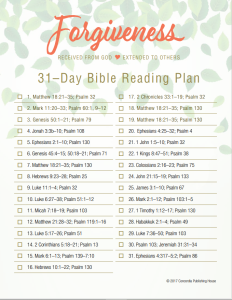
Develop a plan that highlights passages on grace, mercy, confession, and restoration. Those verses usher in times of refreshing for your soul. Here are several free Bible reading plans to choose from.
Consistent reading nurtures understanding and keeps you spiritually nourished as a gift of the Holy Spirit. It also builds resilience in practicing forgiveness and repentance amid life’s challenges.
Rooting your forgiveness and repentance efforts in Scripture continually renews your perspective and commitment. It anchors you in the Lord God’s truth and empowers you through His Spirit. This faithful foundation transforms abstract concepts into living, breathing parts of your spiritual life.
Free Downloads: 31-Day Forgiveness Bible Reading Plan and 31-Day Forgiveness Devotional.
Next-Level Tips
- Use a Bible App with Highlight Features: Apps allow tagging and color-coding forgiveness and repentance verses for quick reference. This organization aids in meditation and teaching. Digital tools make Scripture study flexible and engaging.
- Join a Bible Study Focused on These Themes: Participating with others enriches your understanding through dialogue and shared experience. Group study deepens wisdom and offers mutual encouragement. It also strengthens your spiritual community.
- Pray Scripture Back to God: Make your prayers echo Scripture promises and commands on forgiveness and repentance. This practice aligns your heart with God’s Word and intensifies sincerity. Prayerful Scripture use invites transformation beyond knowledge.
Go Deeper
- Create Scripture Art: Design visual reminders of forgiveness and repentance verses, such as calligraphy or digital art. Art makes Scripture memorable and inspiring. Sharing art cultivates faith in others.
- Write Testimonies Based on Scripture Impact: Document how specific Bible passages have shaped your forgiveness and repentance journey. Personal testimonies encourage others and reinforce your testimony. Writing sharpens insight and celebrates growth.
- Use Scripture as Meditation Themes: Focus your quiet times on one verse each day, allowing reflection and prayer to unpack its meaning fully. Meditation nurtures deep spiritual connection and application. It slows your pace to listen to God’s voice through His Word as He works a change of heart in your life.
Helpful Tools On Your Forgiveness Journey
Gathering these essentials builds a strong foundation for your study, making the process less intimidating and more enriching. It’s about creating a sacred environment where learning and transformation can thrive.
Christ Jesus’ death on the cross and resurrection on the third day accomplished the forgiveness of your sins (and sins of the whole world) to the glory of God. God in His steadfast love meets you where you are.
- Bible: A reliable, well-annotated Bible is essential, preferably a version you feel comfortable reading. Having access to a physical or digital copy allows you to refer directly to relevant verses that reveal the heart behind forgiveness and repentance as taught in the Word of God. A study Bible with commentary provides context and deeper insights.
- Notebook or Journal: Recording your reflections and discoveries about forgiveness and repentance helps internalize these teachings and track your spiritual growth. Journaling your prayers, questions, or personal experiences related to these themes can make your journey more personal and transformative. Consider dedicating a special journal to this purpose for easy reference over time.
- Prayer and Reflection Time: Setting aside intentional moments for prayerful meditation prepares your heart to receive understanding and apply biblical teachings authentically. These quiet intervals allow God’s Spirit to illuminate meanings and encourage real change in your life. Consistency in prayer fosters openness and ongoing healing as you learn about forgiveness and repentance.
- Bible Study Resources: Supplementary materials such as concordances, commentaries, or trusted sermons can enrich your study. They offer historical background, theological explanations, and practical applications related to forgiveness and repentance. These resources provide clarity and prevent misunderstandings, equipping you to live out these principles genuinely. Choose materials from respected authors or ministries aligned with biblical truth.
- Community or Spiritual Mentor: Engaging with others who share your faith can offer encouragement, accountability, and diverse perspectives as you explore forgiveness and repentance. A small group, pastor, or mature Christian friend help navigate challenges and celebrate breakthroughs.
Bottom Line
Forgiveness is always personal. It’s incredibly difficult to do. But it’s never optional. When someone has offended us, the temptation to not forgive is great. But the roots of unforgiveness and bitterness can grow deep in the human soul. Left alone, unforgiveness produces bitter fruit that shows itself in angry thoughts, words, and deeds.
Our hearts soften as we learn of Jesus’ forgiveness for us. And, most important, we are encouraged to extend that same forgiveness to others.
Related Posts:
- Best Bible Reading Plans
- 13 Best Bible Study Methods
- What to Highlight in the Bible and the Best Way To Do It

About the Author
Donna is an award-winning author, sought-after speaker, and Bible teacher. Her path from unchurched to becoming passionate about sharing Jesus was difficult. Read about her God-breathed journey: “From Unchurched to Becoming a Multi-Published Author and Sought-After Speaker.” If you want to send Donna a quick message, visit her here.
{Some of these links are affiliate links. If you purchase through that link, the ministry may receive a small commission at no extra cost to you.}